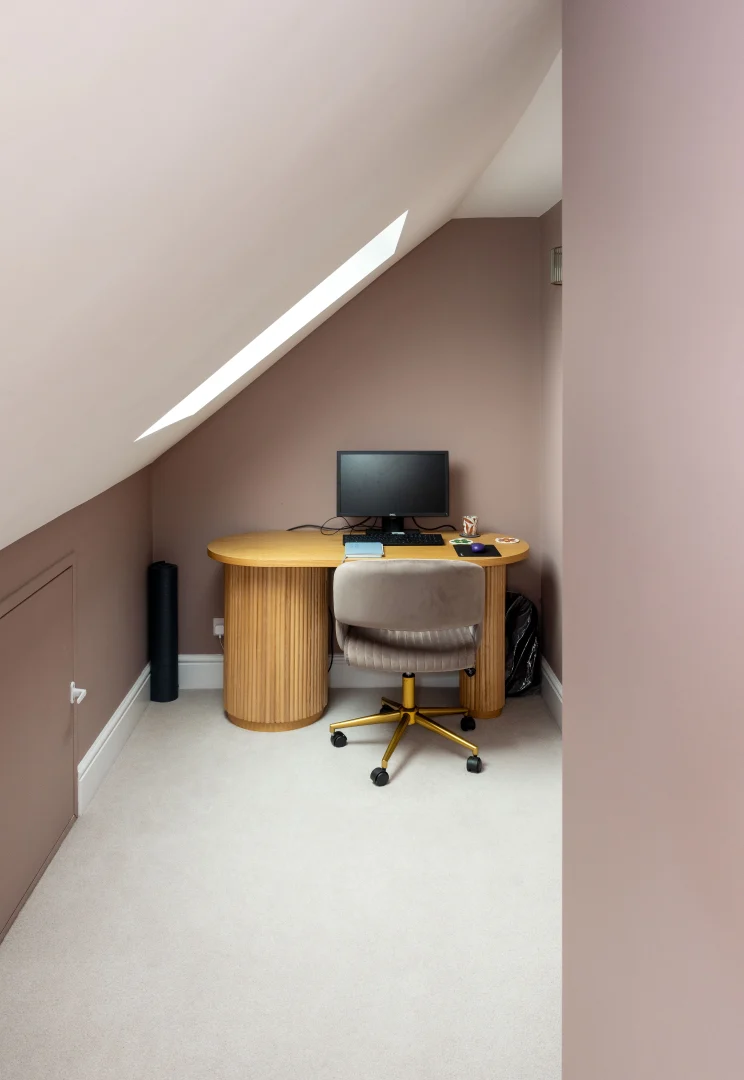
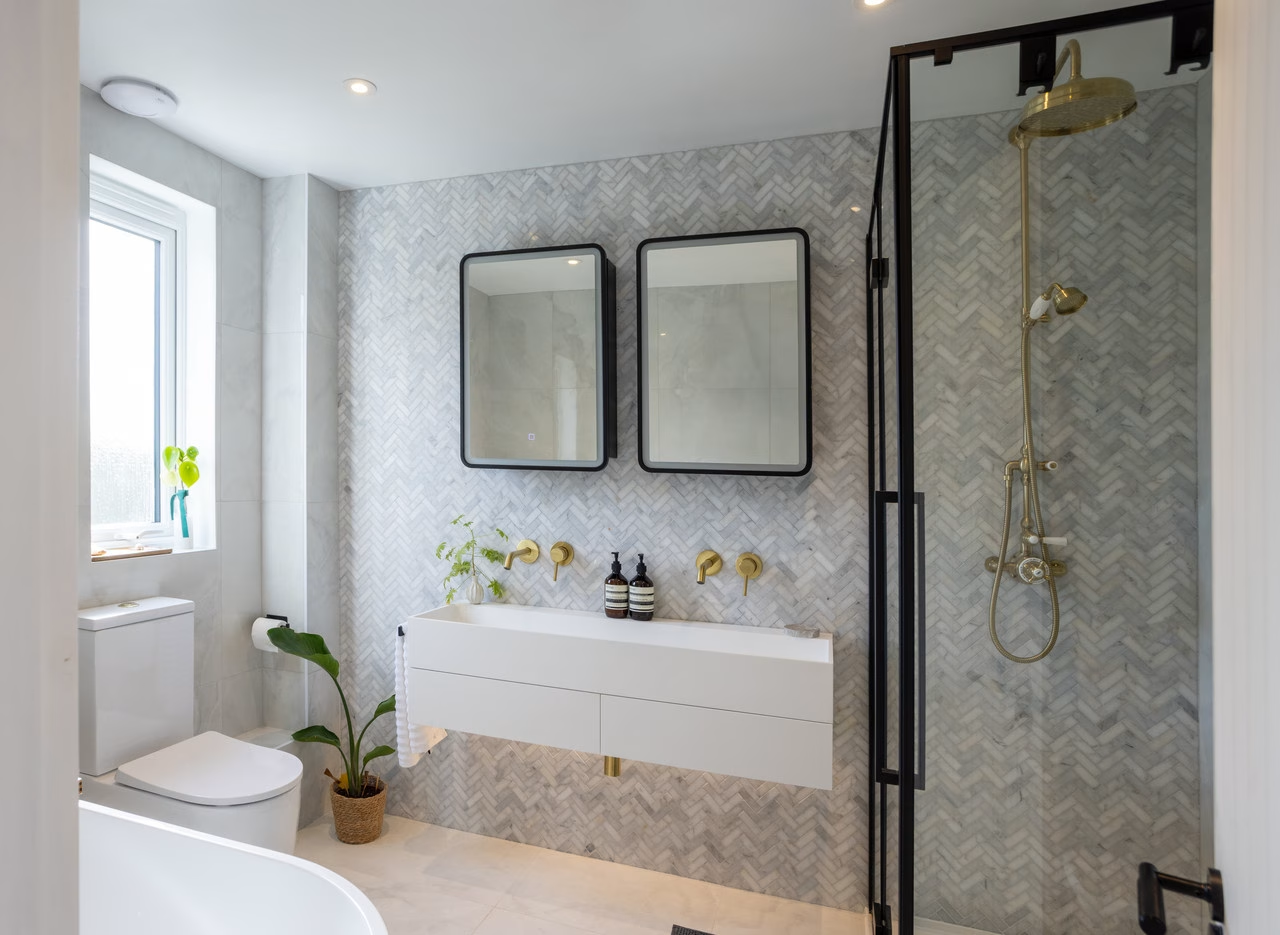
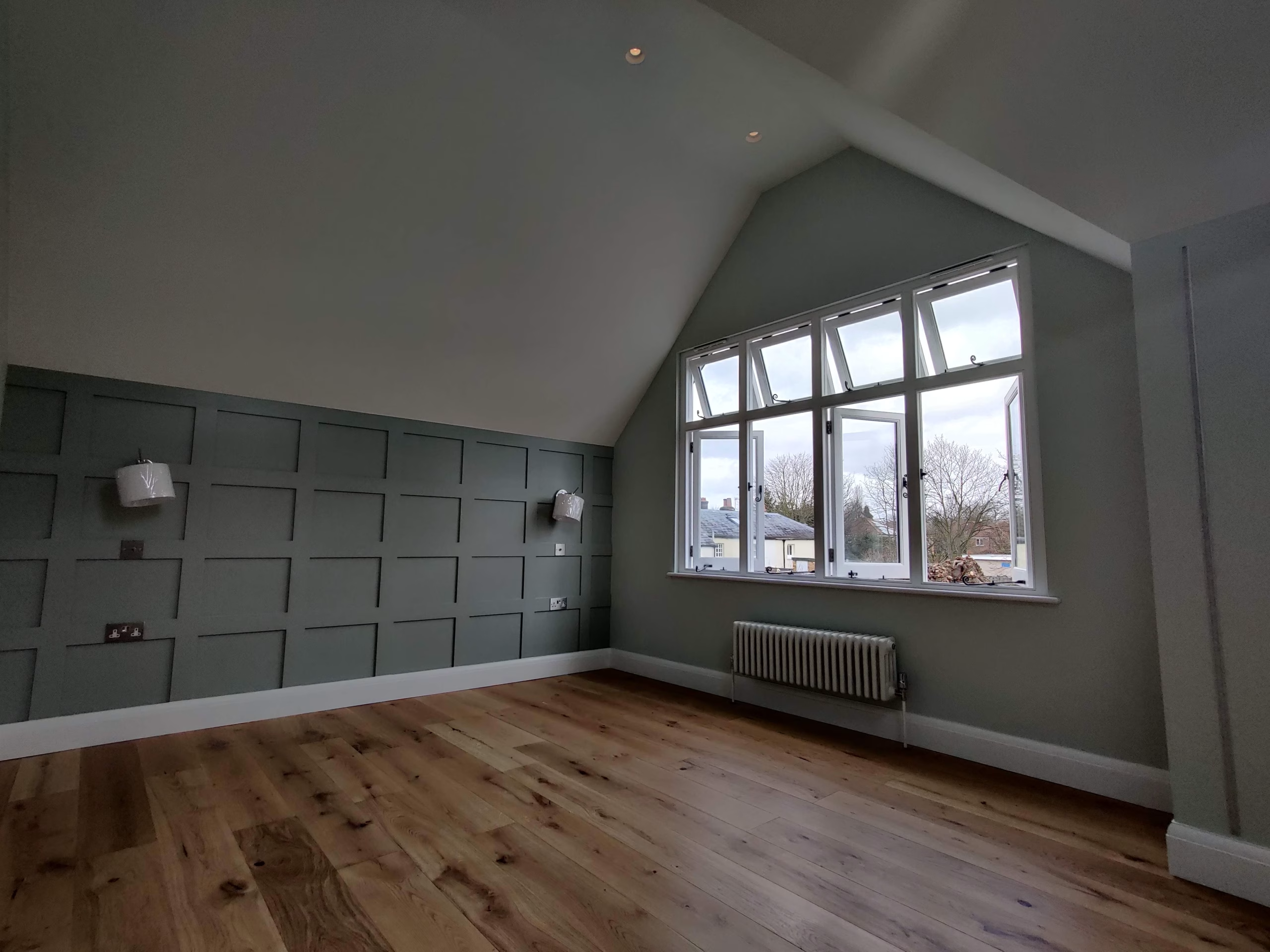


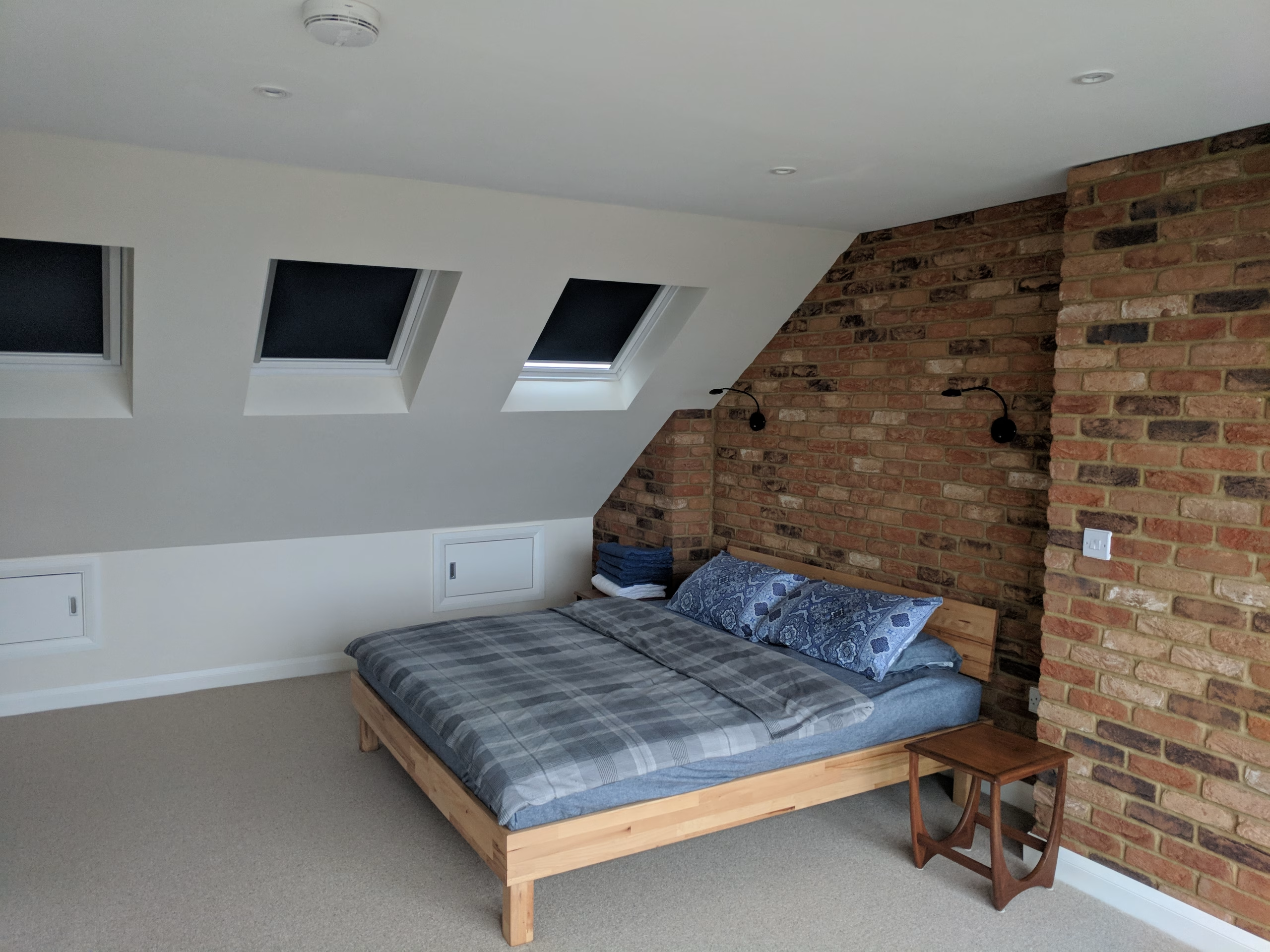


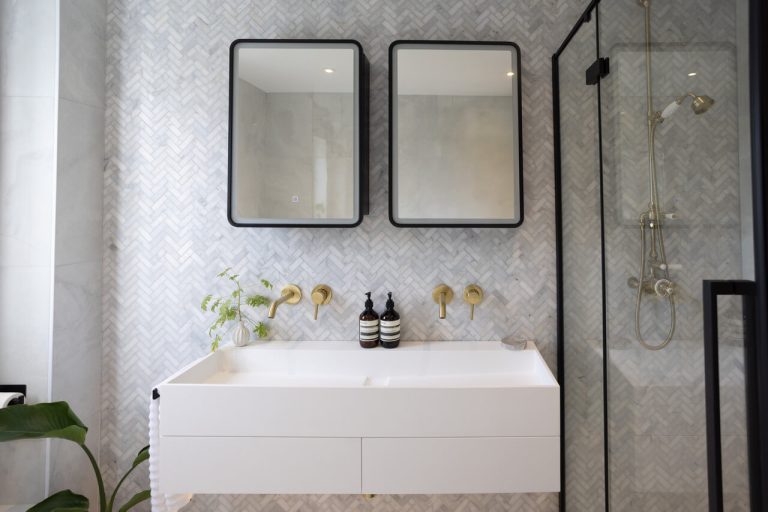


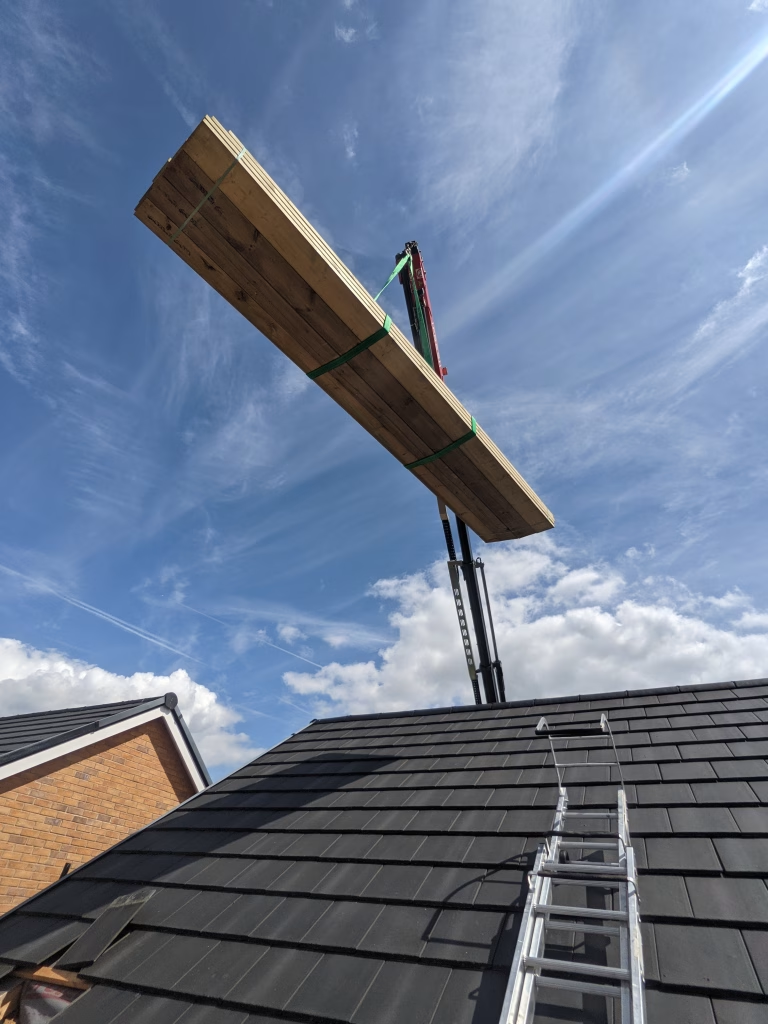
Costs are not always the same for loft conversions in Essex. There is no single “one size fits all” figure, because structure, roof type and property style vary significantly across the county.
For example, loft conversions in Southend can differ in cost depending on whether the property is a traditional 1930s semi suited to a rear dormer or a tighter terraced home requiring more careful structural planning.
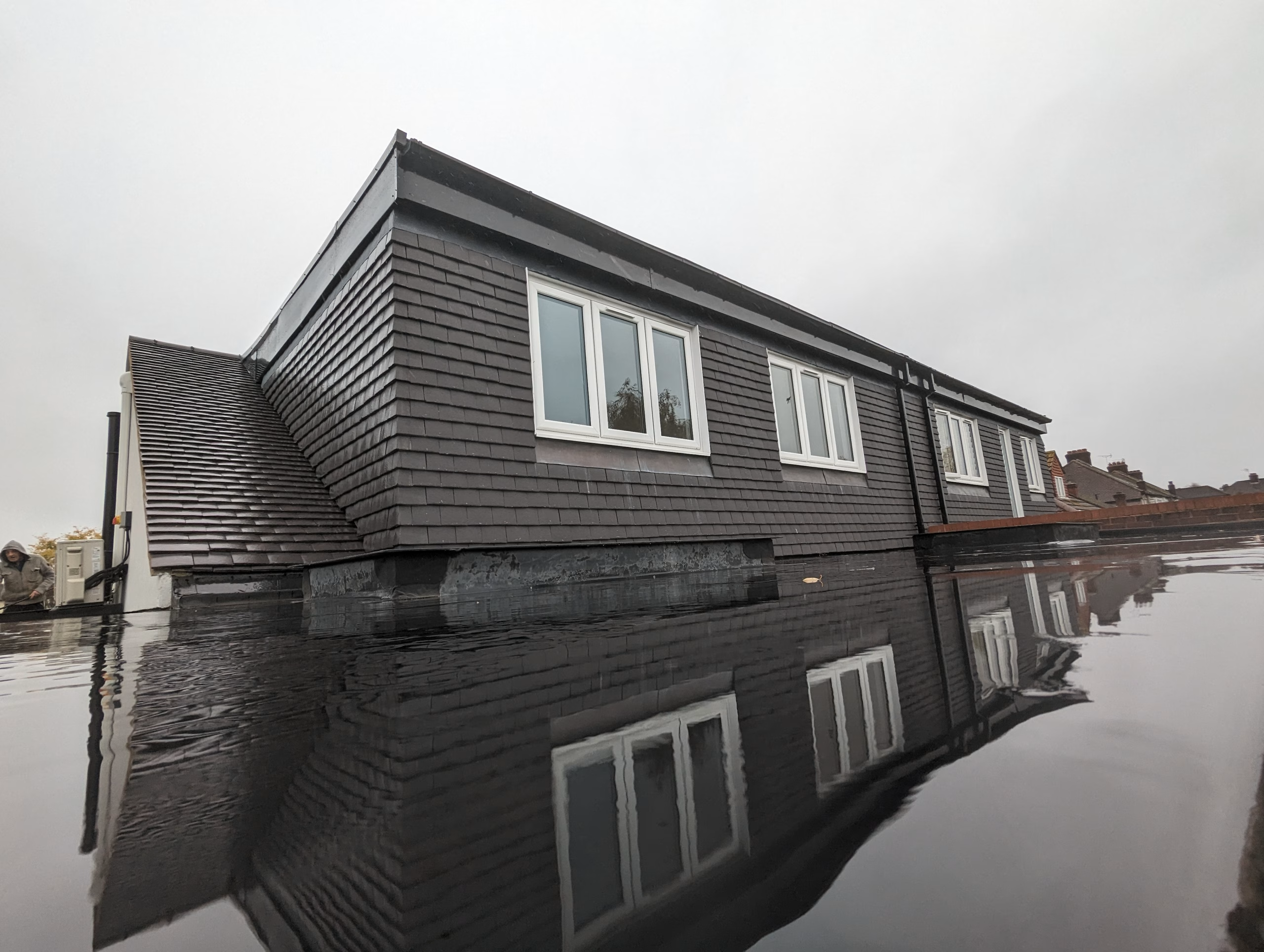
The type of roof often determines complexity. Hipped roofs typically require more structural alteration than straightforward gable ends, and dormer size can also influence steel requirements and layout flexibility.
We recently completed a loft conversion in Leigh-on-Sea where the existing roof was finished in clay tiles rather than standard concrete. Matching materials correctly made a noticeable difference to both cost and installation approach, particularly when maintaining the character of the property.
In Brentwood, loft conversions often involve larger homes or Victorian layouts where L-shaped dormers are used to maximise space within narrower footprints. Structural steelwork and layout planning in these properties can differ significantly from more standard semi-detached builds.
Meanwhile, loft conversions in Billericay frequently relate to bungalow properties, where the roof structure allows for generous internal layouts but may require more substantial floor strengthening and insulation upgrades.
Because of these variations, detailed pricing is always best discussed following an initial assessment of your specific property.